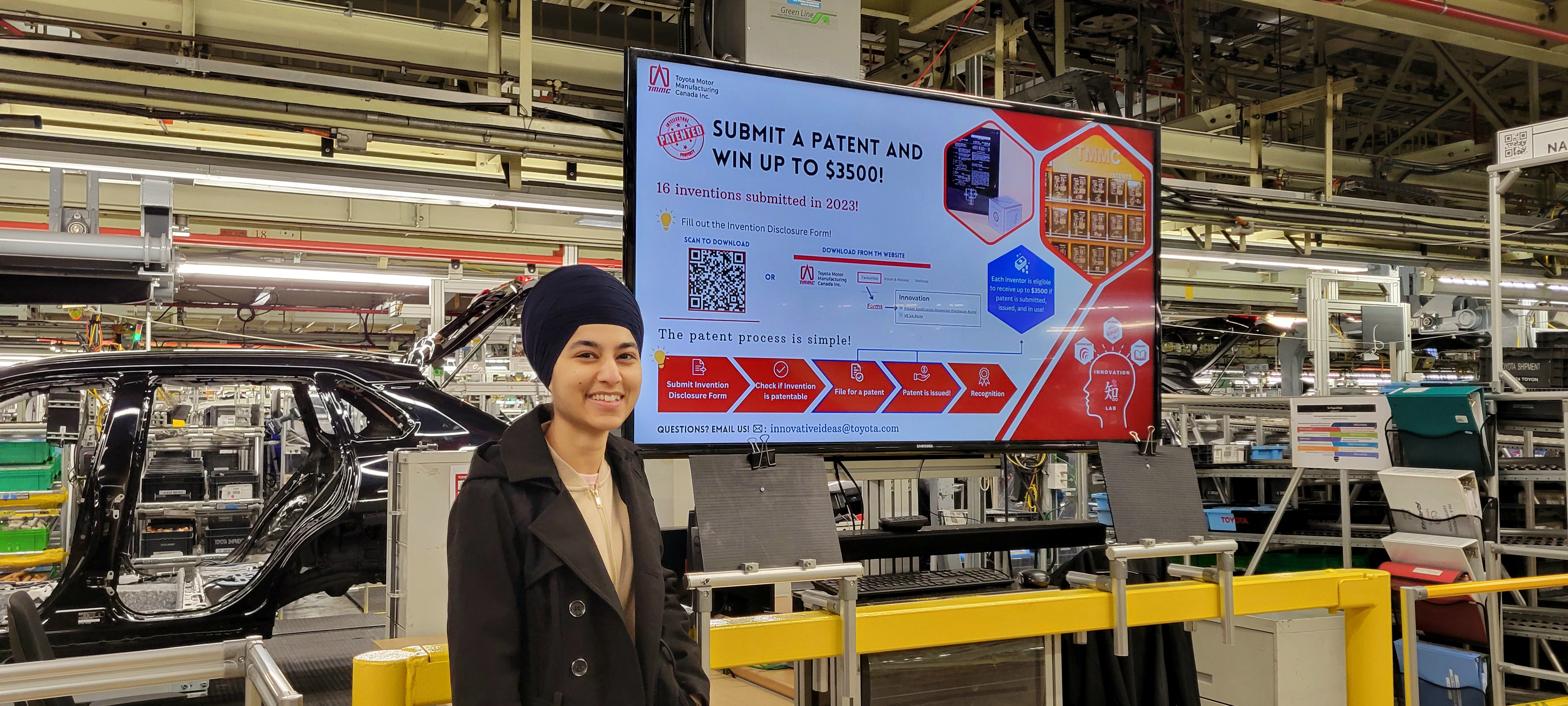
This winter 2024, I returned to Toyota Motor Manufacturing Canada (TMMC) for my third co-op term as a Systems Engineering Analyst. This term allowed me to significantly enhance my technical skills as I built upon my past experiences and learning. Join me as I explore the highlights and challenges of another enriching term at TMMC!
Who is TMMC
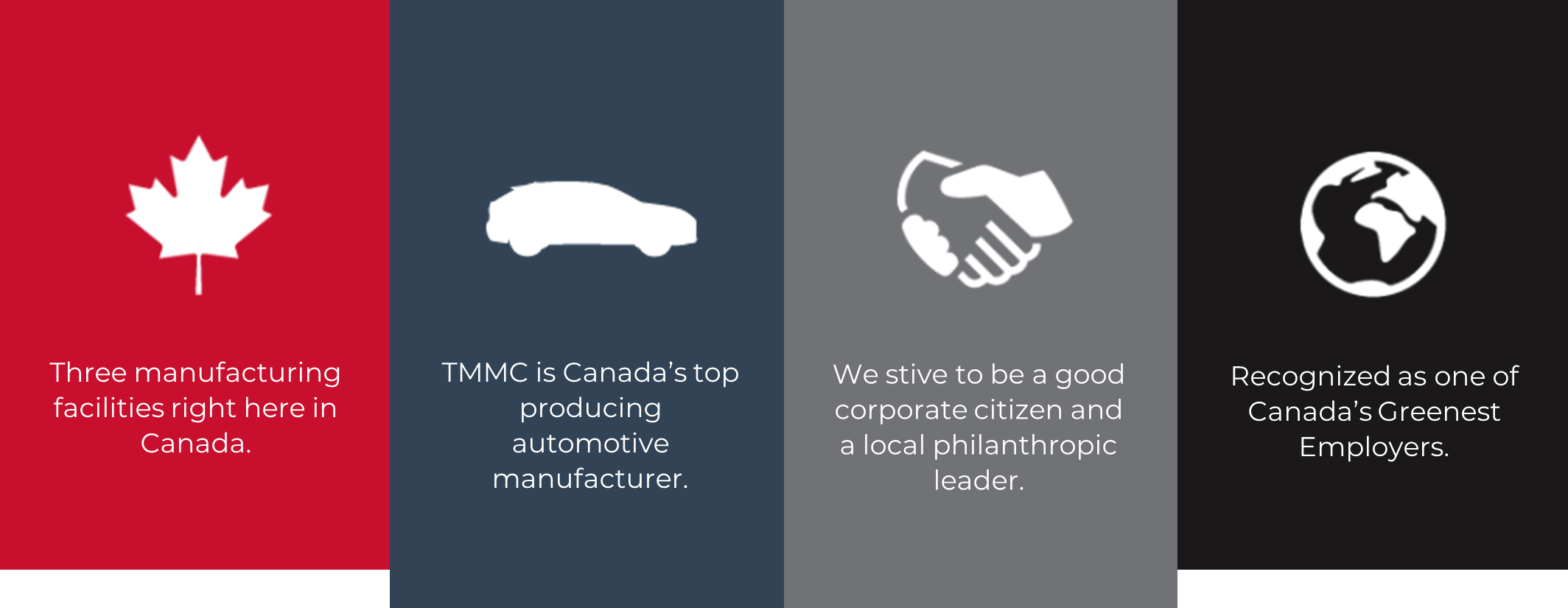
Toyota Motor Manufacturing Canada (TMMC) is a world-class automotive facility with manufacturing plants located in Cambridge and Woodstock, Ontario. Their plants currently manufacture the best-selling Toyota RAV4, RAV4 Hybrid, Lexus RX 350, RX 450h, Lexus NX, and NX Hybrid. TMMC is also the most awarded manufacturing plant for quality in the Americas and has produced over 10,000,000 vehicles!
What I worked on at TMMC
During my winter 2024 term at TMMC, I had the privilege of rejoining the dynamic team I worked with previously. This term was particularly rewarding as I immersed myself in several key projects that not only challenged me but also allowed me to make meaningful contributions to our goals. Below, I'll detail some of the projects I worked on this term, each of which played a crucial role in sharpening my technical skills, enhancing my communication skills, and strengthening my problem-solving capabilities.
Continuation of E-Manifest Project
During my winter 2024 term at Toyota Motor Manufacturing Canada (TMMC), I eagerly continued my work on the E-Manifest Project, a key initiative aimed at revolutionizing how vehicle build instructions are communicated on the assembly line.
To give some background, TMMC currently uses paper manifests for this purpose, which not only incurred significant indirect costs exceeding $170K annually but also posed environmental concerns.
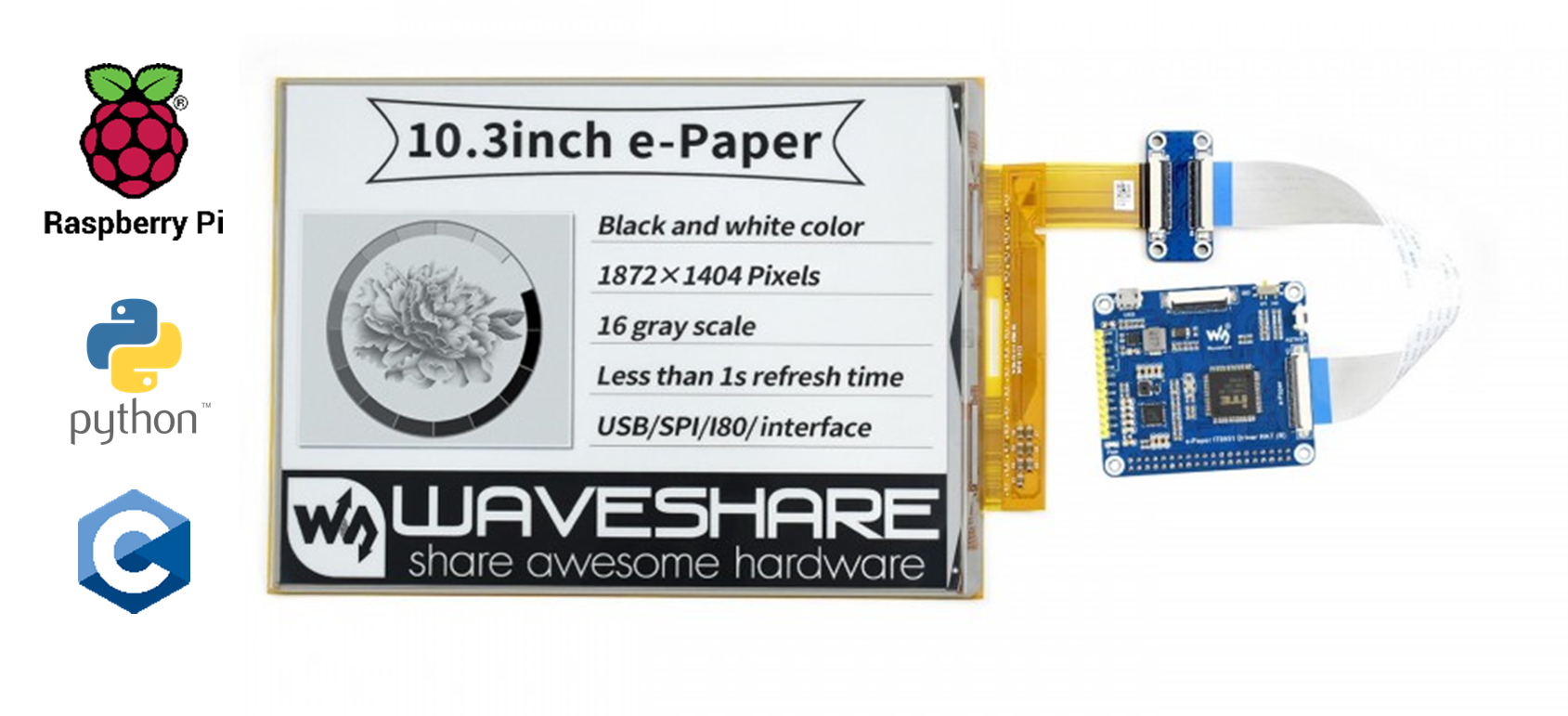
To replace paper manifests and optimize cost efficiency, we tested low-cost technology solutions including an E-Paper display with Raspberry Pi, but encountered high image write times that exceed our acceptable threshold.
To solve this problem, I utilized the Toyota Business Practice (TBP) problem-solving tool which is used to find solutions to technical problems.
Employing a combination of Python and C programming on the Raspberry Pi, I was able to effectively deploy custom manifest image to different E-Paper models. After testing various models of the E-Paper display, I was able to identify the model with enhanced hardware and software capabilities that facilitated significantly faster image refresh times. This breakthrough led to a substantial reduction in image write times, aligning with TMMC’s production line requirements while optimizing cost.
E-Manifest Replacement App
In addition to improving the E-Paper display's performance, I developed a new application aimed at reducing downtime during hardware replacements. This tool allows team members to independently manage the replacement of E-Manifest hardware on the shop floor.
From the initial requirement gathering to final implementation, this solution aims to streamlined operations and minimized disruptions, further enhancing productivity and system reliability.
These advancements in the E-Manifest Project will not only help reduce costs and environmental impact but have also empowered team members with more autonomous and efficient tools, reinforcing TMMC's commitment to innovation and continuous improvement.
Data Analysis, Automated Testing, Application Improvements
At the beginning of my co-op term, I was involved in testing a crucial TMMC application known as the Team Member Rotation Application (TMRA). This application plays a pivotal role in integrating team member training, attendance records, process ergo burden, and more to create and schedule daily rotations for teams and processes in each quarterly shift.

As the application improved and prepared for a new release, I actively participated in testing this application across different environments, including Development, QA, and Stage. This experience allowed me to gain a fundamental understanding of Java-based test automation tools like Selenium and TestNG. Furthermore, I had the opportunity to familiarize myself with Azure DevOps, which proved to be a valuable platform for planning, coordinating development tasks, testing code changes, and ensuring the delivery of a high-quality software product.
To monitor the application's performance during stress tests, I utilized Datadog, a monitoring and analytics tool renowned for its ability to gauge performance metrics. This software enabled me to oversee various server parameters, including CPU usage, memory allocation, disk latency, and more, under different load test scenarios.
Goals and Reflections
During my co-op term at TMMC, I focused on 3 goals that I wanted to achieve by the end of my co-op term.
Gaining experience across Software Development Life Cycle (SDLC)
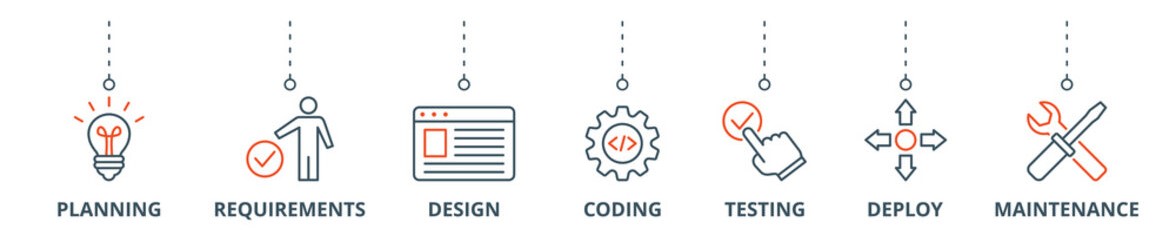
Working on the E-Manifest allowed me to gain experience across multiple stages of the SDLC as I did a thorough analysis to understand requirements, developed a method to write custom images to the E-paper device and tested various E-Paper models to improve the image write time.
Testing emerged as another integral element of my co-op experience. My participation in testing a critical TMMC application across diverse environments and load test scenarios deepened my appreciation for the testing phase within the SDLC. I came to realize that thorough testing is paramount in ensuring the seamless functionality of an application and, ultimately, a positive end-user experience.
Beyond enhancing my understanding of various SDLC processes, this experience allowed me to actively contribute to my team's diverse tasks, fostering a sense of collaboration and accomplishment.
I eagerly anticipate the opportunity to further develop my expertise across the different phases of the SDLC in future co-op terms, knowing that this knowledge and experience is critical in the dynamic world of software development.
Strengthening my problem-solving and analytical skills

My co-op experience served as a pivotal platform for honing my problem-solving and analytical capabilities. I achieved this by leveraging the Toyota Business Practice (TBP) problem-solving methodology, which proved to be an invaluable tool for breaking down and resolving complex problems.
Applying the TBP framework allowed me to bring clarity to the E-Manifest POC project by effectively breaking down the problem, conducting a comprehensive root cause analysis, and ultimately discovering an effective solution.
Furthermore, I discovered that the applicability of the TBP methodology extended beyond the confines of a single project. I successfully employed it in diverse scenarios, enhancing my capacity to dissect problems with precision and agility.
I not only accomplished my objectives in the TBP project but also delivered a well-received presentation to a panel of judges, showcasing tangible results.
Enhancing my project management skills

In my pursuit of improving my project management skills, I actively collaborated with our project manager in orchestrating and structuring project tasks, particularly those linked to the TMMC Innovation Showcase. This one-day event offers Toyota team members a platform to showcase their innovations within TMMC.
The successful execution of this event requires meticulous coordination to guarantee the seamless completion of internal tasks and effective collaboration with presenting groups. I worked closely with our project manager to create video scripts and film each group’s innovation. This not only facilitated accessibility for all attendees, whether they participated virtually or in person but also significantly enhanced the overall presentation quality.
Furthermore, I took on the responsibility to create the E-Manifest poster for my team to display with the presentation booth. This task was assigned with limited notice, necessitating instant prioritization of my responsibilities to ensure its successful completion.
Through these responsibilities and numerous other tasks, I learned the importance of effective communication, time management, and adaptability in navigating the dynamic landscape of project coordination. Moreover, taking charge of the E-Manifest poster reinforced my attention to detail and organizational skills, which are crucial in managing complex projects.
Key Takeaways
Embrace New Technology and Situations

Throughout my co-op experience at TMMC, I recognized the paramount importance of adaptability in both embracing new technologies and navigating diverse situations. This was particularly evident during my involvement in the E-Manifest Project, where we sought to replace traditional paper manifests with innovative technology solutions. Despite initial challenges and unexpected hurdles, I learned to adapt rapidly by employing a combination of programming languages and hardware, ultimately arriving at a breakthrough solution.
This experience underscored the value of adaptability when confronted with evolving technologies and unforeseen circumstances, a lesson that will undoubtedly prove invaluable in the ever-changing landscape of information systems and technology.
As I progress in my software engineering career, this aptitude for adaptability will empower me to stay ahead of emerging trends, tackle complex challenges, and drive innovation in the field, positioning me as a valuable asset to any organization.
Acknowledgements

I was incredibly lucky to work with a very skilled team during my co-op term at TMMC! I would like to thank my manager, Nick Westerveld, and my Team Lead, Tim Schofield, for their continuous support during my co-op term.
To my fellow team members, I extend my sincere appreciation for your continuous assistance and willingness to address any questions I had.
I would also like to thank our co-op coordinators Kate McRoberts and Laura Gatto for all of their support while securing a co-op job.
Last but not least, I would like to thank our program counsellors, Greg Klotz and Sarah Brennan for taking their time to review this work term report.